1. Survey the space
The crew checks the whole property, including closets, vehicles, sheds and bathrooms where items may be tucked away.
Hartington, NE · Cedar County
Cleaning up after a loved one's drug use is hard enough. In Hartington, call (877) 812-4220 and let a cleanup team remove paraphernalia, clean up residue and take away what cannot be saved.
If anyone is in danger, call 911 first. For a suicide crisis, call or text 988.
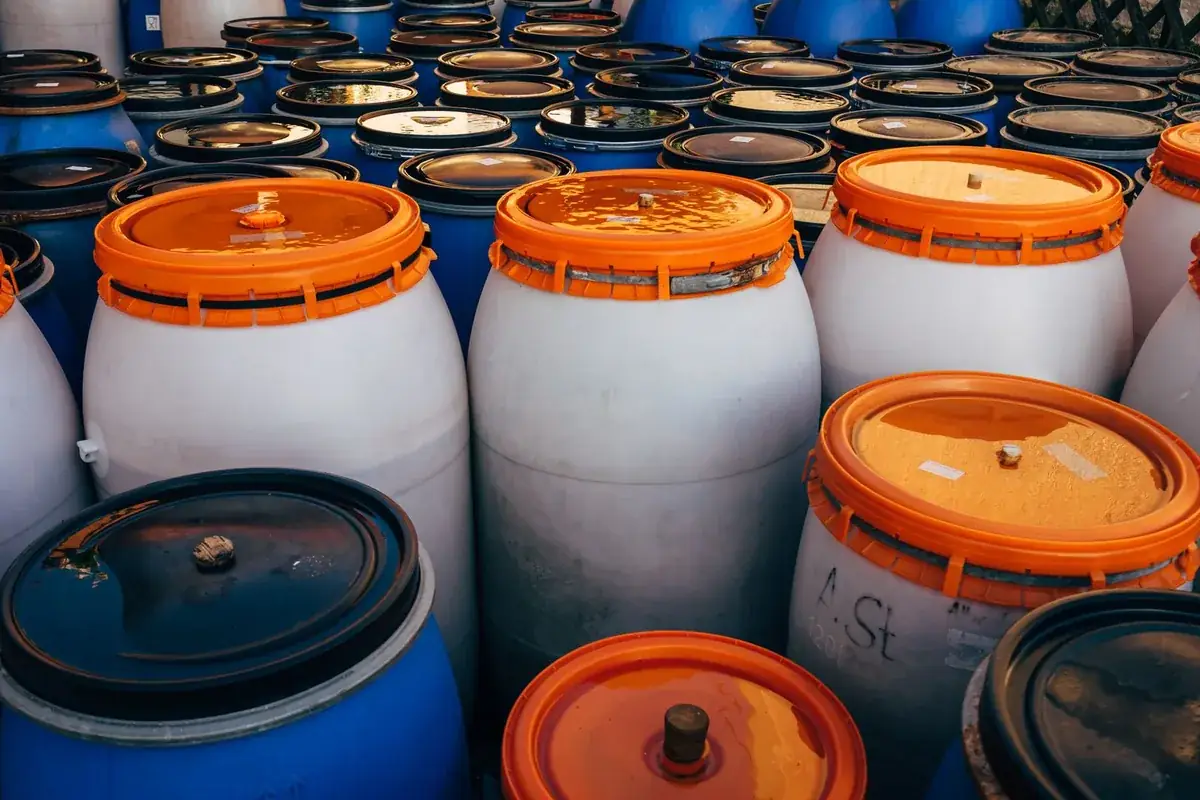
A drug paraphernalia sweep is a careful search of a home, room, vehicle or building for syringes and related items, including ones hidden in drawers, vents and seams of furniture.
When your Hartington home needs cleaning after a police investigation, you can call Hartington Biohazard Cleanup Help after law enforcement releases the property. Crews remove items, treat surfaces and haul away waste in Cedar County.
Vacant housing is about 12% of homes in Cedar County. Empty buildings can hold hidden syringes and residue, and owners often check them before repairs or sales. After a needle stick or exposure to an unknown substance, get medical care. Osmond General Hospital in Osmond is the closest emergency room to Hartington.
The work often covers:
The crew checks the whole property, including closets, vehicles, sheds and bathrooms where items may be tucked away.
Sharps come first, then bags, foil, containers and stained linens. Each is sorted into the right container.
Paraphernalia goes into sealed containers, and hard surfaces are cleaned with EPA-registered products.
Waste leaves the property, and the owner can ask for a summary of what was removed and cleaned.
The cost of drug paraphernalia cleanup in Hartington, NE depends on the amount of material, how it is packed and how it is hauled.
Soft materials make a difference. Carpet, padding, mattresses and upholstery that took in residue or fluids may have to be removed and replaced.
| Type of job | Typical range |
|---|
Published ranges only (); every drug paraphernalia cleanup job in Hartington is priced after an on-site look. Price drivers include amount of material, whether residue is present, surfaces affected, waste disposal. Questions? Call (877) 812-4220.
Vehicles can hold syringes, residue and odor in seats, carpets and vents. Ask whether the team cleans vehicles and how soft materials are treated. Crews use the same protective gear and sealed containers as in a building.
It can. Powders and stains may stay on floors, furniture, bedding and in vents after the items are gone. That is why a team cleans and disinfects the surfaces and removes soft materials that cannot be cleaned. Ask what the plan covers.
Loose syringes should never go in household trash, because they can stab sanitation workers. Other items may carry residue. A cleanup team seals and disposes of everything the safe way.
Some residues can harm people who touch them, and you cannot tell by looking which ones. That is why gloves are not a substitute for professional cleanup. If skin touches something unknown, wash with soap and water and call Poison Control.
Police and the city do not usually clean the space afterward. The owner or the family books the cleanup once the scene is released. A cleanup team can work after the release and explain the steps. Ask the agency when the space is cleared.
Often, yes. Many teams can arrive in an unmarked vehicle and work quietly. If privacy matters, ask about it when you call. The crew shares only what it needs to plan the work.
Ask about discreet arrival in an unmarked vehicle if privacy matters.
Call (877) 812-4220